
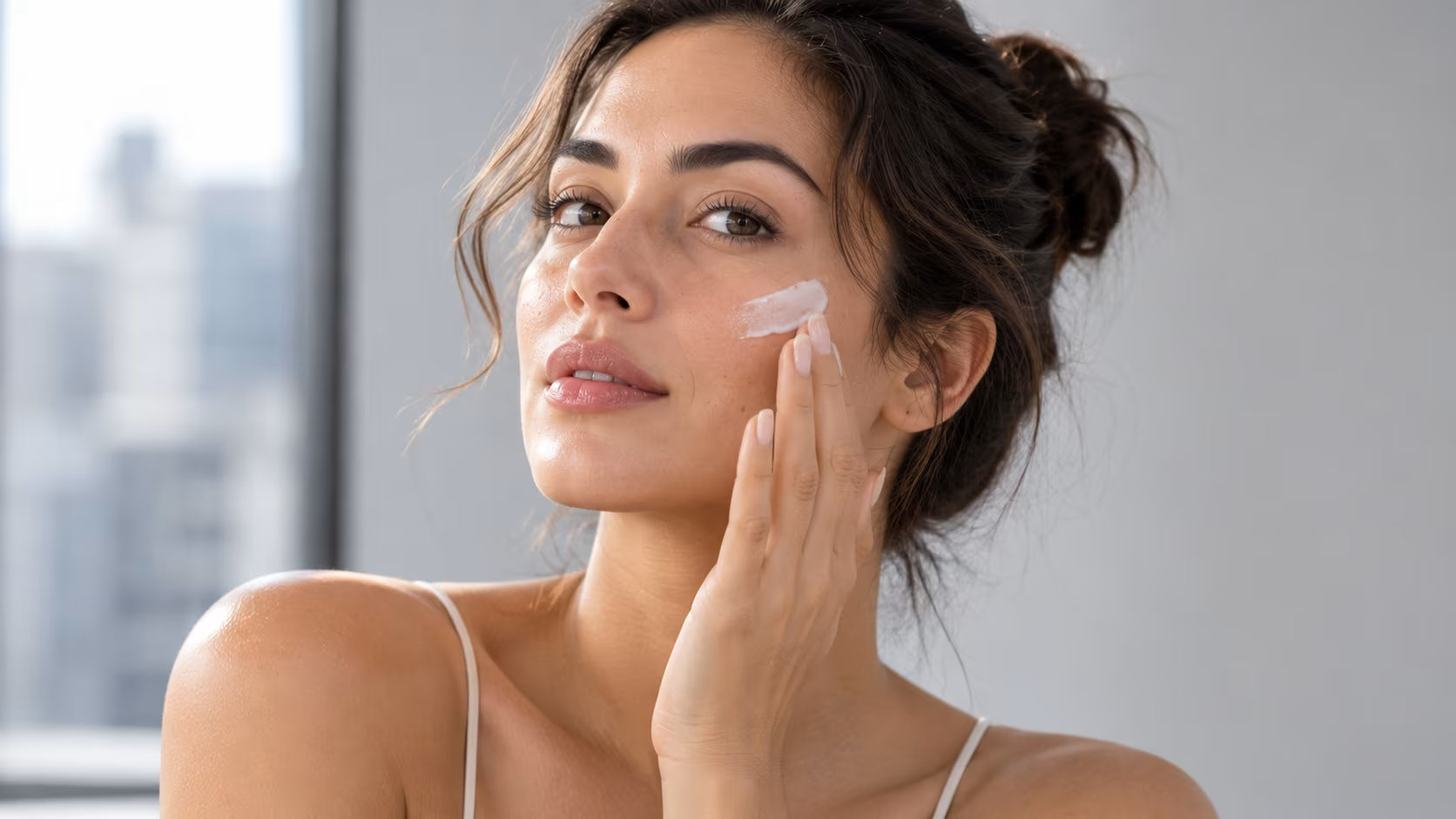
You moisturize every morning. You drink your water. And still, by 3 PM, your skin feels tight, your makeup looks patchy, and your reflection in the elevator mirror looks more tired than you feel. If that sounds familiar, you are not alone, and you are probably not doing anything "wrong."
In Manhattan, skin hydration is a year-round project. Summer brings sun and air-conditioned offices. Fall and winter bring cold wind on the walk down Seventh Avenue and dry radiator heat the moment you step inside. Add long workdays, late nights, and frequent travel, and your skin's ability to hold onto water gets tested constantly.
This guide explains what is really happening when your skin feels dry, how to tell dehydrated skin from dry skin, and which professional treatments at Glowtox NYC can support a healthier, more hydrated complexion.
What Is Skin Hydration, Exactly?
Skin hydration refers to how much water your skin holds, especially in its outer layer. Well-hydrated skin looks smooth, plump, and luminous, while poorly hydrated skin can look dull, feel tight, and show fine lines more easily.
Your skin's outermost layer acts like a protective barrier. When it is working well, it keeps water in and irritants out. According to MedlinePlus, dry skin occurs when your skin loses too much water and oil, and common triggers include cold, dry winter air, dry indoor air from heating or cooling systems, and bathing too often or for too long.
In other words, a typical New York winter checks almost every box.
Is My Skin Dry or Dehydrated?
Dry skin and dehydrated skin are related but not identical. Dry skin usually describes skin that produces less oil and tends to feel rough or flaky, while dehydrated skin describes skin that is low in water and can happen to any skin type, including oily skin.
Here is a simple way to think about it:
- Dry skin often feels rough, may flake, and can stay dry no matter the season.
- Dehydrated skin often feels tight, looks dull, and may show fine crepey lines, even if you still get shiny or break out.
- Both can happen at once, especially in winter.
This distinction matters because the fix is different. Someone with oily, dehydrated skin might reach for heavy creams that clog pores, when what they need is better water retention and gentler cleansing. A professional skin assessment can help clarify what your skin actually needs.
Why Does Manhattan Make Skin Hydration Harder?
City living puts your skin through frequent environmental swings. Moving between cold outdoor air and heated or air-conditioned interiors, combined with long hours and inconsistent routines, can make it harder for skin to stay balanced.
A few common Manhattan culprits:
Indoor heat and air conditioning
Prewar buildings in the West Village and Greenwich Village are known for strong radiator heat, while many offices around Union Square and Flatiron run climate control all day. Both can leave indoor air feeling dry.
Long, hot showers after a long day
A hot shower feels like a reward after a packed day. Unfortunately, long, hot showers can strip away the oils that help your skin hold water.
Over-exfoliation
Many people, especially younger adults who follow skincare trends online, layer acids, retinoids, and scrubs at the same time. Too much exfoliation can leave the skin barrier irritated and less able to stay hydrated.
Travel and schedule disruption
Frequent flights, late dinners in Chelsea, and early meetings all add up. When routines slip, skin often shows it first.
How Can I Improve Skin Hydration at Home?
Start with gentle, consistent habits. Short warm showers, moisturizing while skin is still damp, using a humidifier, and choosing creams or ointments over thin lotions are simple steps that can make a noticeable difference.
The American Academy of Dermatology recommends:
- Limiting showers and baths to about five to ten minutes using warm water
- Applying moisturizer right after washing, while skin is still damp
- Choosing a cream or ointment rather than a lotion
- Running a humidifier, especially in the bedroom overnight
- Looking for ingredients such as glycerin, hyaluronic acid, petrolatum, dimethicone, and shea butter
Daily sunscreen matters too, even in winter. Sun exposure contributes to long-term skin changes, and a damaged barrier is more vulnerable to dryness.
For a routine that is tailored to your skin, Glowtox offers a selection of skincare products, and a consultation can help identify options suited to your skin type and concerns. You can browse the Glowtox shop or ask for recommendations during your visit.
Which Professional Treatments Help With Skin Hydration?
Professional facials can complement a good home routine by deeply cleansing the skin, removing buildup, and delivering hydrating ingredients. At Glowtox NYC, options for dull or dehydrated skin include HydraFacial, customized facials, and the AquaGold Fine Touch facial.
Each one works a little differently, which is why a consultation helps.
HydraFacial
The HydraFacial at Glowtox is a multi-step treatment that cleanses, exfoliates, extracts impurities, and infuses serums. Glowtox describes it as infusing antioxidants and peptides for hydration and radiance, and it is designed to be non-invasive with little to no downtime. It is a popular choice for people who want refreshed skin before an event or simply during a busy week.
Customized Facials
Glowtox's customized facials are tailored to your skin on the day of treatment, with steps that focus on cleansing, nourishing, clarifying, and hydrating. If your skin is dehydrated but also prone to congestion, a customized approach allows your provider to balance both concerns.
AquaGold Fine Touch Facial
The AquaGold Fine Touch facial uses ultra-fine gold-plated microchannels to deliver a customized blend of serums and vitamins into the skin. Glowtox highlights benefits for hydration, glow, pore appearance, and fine lines, with subtle radiance often noticeable within a few days.
PRF EZ Gel for selected skin-quality concerns
For some patients whose concerns go beyond surface dryness, such as dullness combined with fine lines or mild volume loss, PRF EZ Gel may be discussed. It is an injectable made from your own blood that Glowtox lists for dullness, dehydration, texture, and fine lines. It is not a substitute for daily hydration habits, and results develop gradually over several weeks.
Who Benefits Most From a Skin Hydration Plan?
Anyone can experience dehydrated skin, but certain lifestyles make it more likely. Busy professionals, people who travel often, and anyone navigating a Manhattan winter tend to see the biggest difference from a consistent hydration plan.
Busy, stressed professionals. Long hours in climate-controlled offices, little sleep, and skipped routines are a recipe for tired-looking skin. A HydraFacial or customized facial can fit into a lunch break, with recovery needs that vary by treatment and skin sensitivity.
Clients who value personalized skincare. If skincare is part of your regular self-care routine, a customized facial and a thoughtful home-care plan can provide an individualized experience based on your current skin needs.
Gen Z and younger adults. Many younger clients come in with skin that is irritated rather than truly dry, often from layering too many active products. Sometimes the best hydration plan starts with doing less and rebuilding a simpler routine.
How Often Should I Get a Hydrating Facial?
Many clients book facials every four to six weeks as part of a maintenance routine. Your ideal schedule depends on your skin type, season, and goals, and your provider can adjust it over time.
Glowtox's facial pages commonly reference a four to six week rhythm, which roughly aligns with the skin's natural renewal cycle. During winter, some clients prefer to stay especially consistent, while others space treatments out in milder months.
When Should I See a Doctor About Dry Skin?
If your skin is cracked, bleeding, intensely itchy, or not improving with good care, it is worth seeing a dermatologist or primary care provider. Persistent dryness can sometimes be linked to conditions such as eczema or other medical issues that need diagnosis and treatment.
Aesthetic facials are designed to improve how skin looks and feels. They are not a treatment for skin disease.
Frequently Asked Questions
What is the fastest way to improve skin hydration?
At home, applying a cream or ointment to damp skin right after washing is one of the quickest wins. For a visible refresh, a professional hydrating facial such as HydraFacial can leave skin looking smoother and more radiant right away.
Can oily skin be dehydrated?
Yes. Oily skin can still lack water. Signs include tightness after cleansing, dullness, and fine surface lines alongside shine or breakouts.
Does drinking more water improve skin hydration?
Staying hydrated supports overall health, but drinking water alone usually will not fix dry or dehydrated skin. Protecting your skin barrier with gentle cleansing and moisturizer matters more.
Is there downtime after a hydrating facial at Glowtox?
HydraFacial and customized facials typically involve little to no downtime, though mild redness is possible. Your provider will review aftercare during your appointment.
Which hydration treatment is best for sensitive skin?
It depends on your skin and the cause of the sensitivity. A customized facial may allow your provider to select gentler steps, while HydraFacial may be an option for some clients. If your skin is actively irritated or inflamed, a provider may recommend postponing exfoliating treatments.
Thirsty Skin, Meet Your Manhattan Hydration Plan
Healthy skin hydration is less about one miracle product and more about a smart routine, a little environmental awareness, and the right professional support at the right time. Whether you live in the West Village, work near Union Square, or commute in from Chelsea or Flatiron, you can get ahead of winter dryness before it starts.
Glowtox NYC is located at 106 W 13th Street in Manhattan's West Village. Our team will look at your skin, talk through your routine, and recommend the hydration approach that suits your lifestyle.
Ready for skin that feels as good as it looks? Book a complimentary consultation or call 917.756.8010 to get started. You can also explore our full list of concerns we treat.